
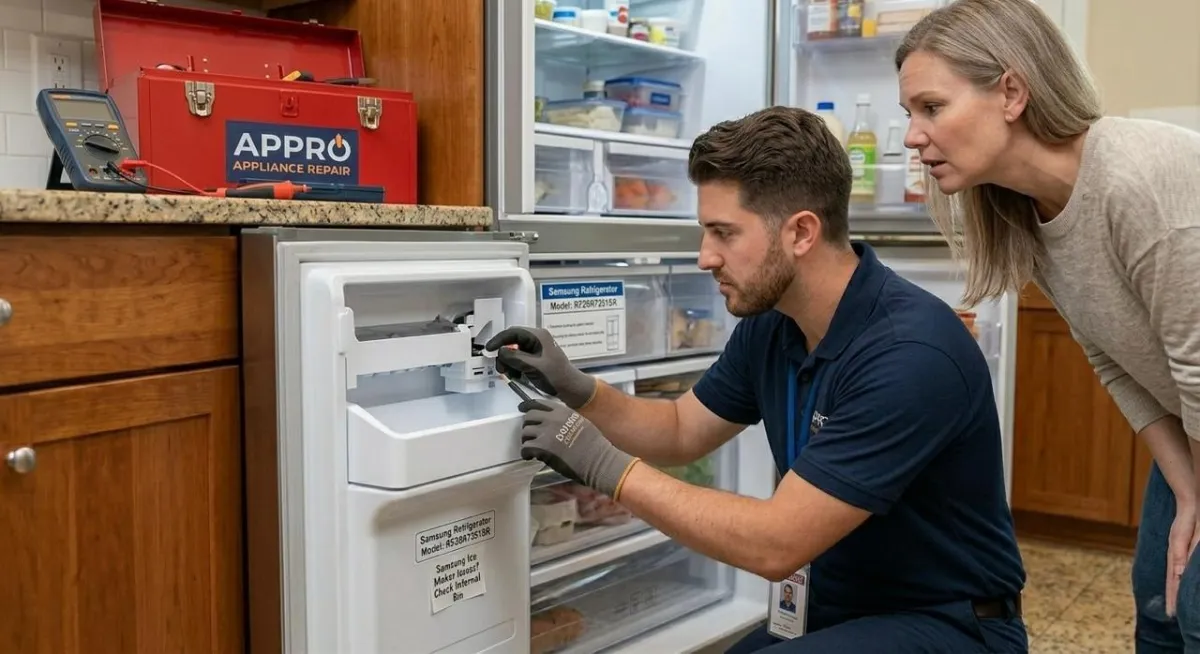
Samsung Refrigerator Not Making Ice: 2026 Guide
Owning a modern kitchen appliance should bring convenience, but encountering a Samsung refrigerator not making ice can be incredibly frustrating, especially when you need a cold drink on a hot day. Samsung refrigerators are known for their advanced features, elegant design, and technological sophistication, but like all complex home machines, they occasionally run into mechanical or digital hiccups. Whether you are dealing with a water supply issue, a frozen internal line, or a complex control board error, identifying the root cause is the first step toward a resolution. In this comprehensive blog, we will explore the common reasons behind these malfunctions and provide actionable steps to restore your appliance to peak performance.
Troubleshooting Common Ice Maker Issues
When your ice maker fails, it is rarely due to a single catastrophic event. Most often, it is a gradual buildup of issues, sensor misalignment, or a minor electronic glitch that halts the process. Before assuming the worst, it is essential to check the basic configurations that govern the ice-making cycle. Many users find that their samsung refrigerator not making ice simply because the ice maker has been accidentally turned off, or the temperature settings have drifted over time. Ensuring that your water line is properly connected and not kinked is another foundational step in your diagnostic journey. If the water supply is cut off, no ice will form, regardless of how functional the internal mechanics are. Furthermore, high humidity can sometimes cause frost to form around the ice mold, preventing the ejector arm from functioning correctly. By systematically checking these variables, you can eliminate common culprits before diving into the complex internal components of your refrigerator. Often, a simple reset of the control panel or a thorough manual defrosting process is enough to jump-start the system and restore the flow of fresh ice to your bin.
Addressing Cooling and Display Anomalies
While an ice maker issue is specific, it is often tied to broader system malfunctions, such as a samsung refrigerator not cooling correctly. If the main refrigerator cabin or the freezer is not maintaining the correct temperature, the ice maker will naturally stop producing ice as a safety mechanism to prevent water from pooling and leaking. This situation often coincides with a samsung refrigerator blinking temperature indicator or other warning lights on the external display panel. These visual alerts are the refrigerator’s way of communicating that it has detected an error code, most commonly related to the defrost sensor or a failing compressor. Ignoring these warnings can lead to long-term food spoilage and significantly more expensive repairs down the line. When you notice these symptoms, it is helpful to refer to your owner's manual to decode the specific error, or consult a professional technician at Appro Appliance service for a diagnostic check. A blinking light is a cry for help from your appliance, and addressing it immediately is the most effective way to ensure your kitchen remains functional and your food stays fresh throughout 2026 and beyond.
Water Supply and Pressure Requirements
The ice maker in your unit relies on a consistent flow of water at a specific pressure to create clean, clear cubes. To ensure your water system is functioning correctly, follow these points:
Check the Water Filter: A clogged or aged filter is the primary culprit for low water flow. Replace your filter every six months.
Verify Water Pressure: Ensure your home’s water pressure meets the manufacturer’s requirements. Low pressure prevents the inlet valve from opening.
Inspect the Inlet Valve: If the valve is not receiving an electrical signal or is physically blocked, it will need to be replaced.
Check for Kinks: Ensure the supply line behind the refrigerator is not pinched or bent, which would restrict flow.
Frozen Water Lines and Blockages
When water lines freeze, the ice maker remains starved of its essential ingredient. Use the following steps to safely clear blockages:
Adjust Freezer Temperature: Ensure the freezer is set to the recommended temperature. If it is too cold, the water line inside the wall of the unit may freeze.
Manual Defrosting: Use a hair dryer on a low, gentle setting to carefully thaw the water line. Never hold the heat in one spot for too long to avoid melting internal plastic.
Check Door Gaskets: If the door seals are loose, warm, humid air enters the freezer, creates excess frost, and can freeze the water line. Replace worn gaskets immediately.
Power Cycle: Sometimes, simply unplugging the unit for a few hours allows the internal system to naturally defrost any ice buildup.
Understanding Blinking Light Error Codes
If your samsung refrigerator blinking lights persist, it usually indicates a power or communication failure. Here is how to approach these error codes:
Perform a Soft Reset: Unplug the refrigerator for 10 to 15 minutes. This often clears minor software glitches and resets the control board.
Decode the Blink Pattern: Observe the specific sequence of the lights. Refer to your user manual, as these patterns correspond to specific sensors or boards that require attention.
Avoid Over-Tightening: When checking panels for loose connections, do not force them open. If the display remains unresponsive after a reset, professional help may be needed.
Consult Experts: If the error persists after a reset, contact an expert, such as a technician from Appro appliance service, to avoid potential damage to the control board.
Managing Temperature Fluctuations
A refrigerator that cannot maintain a steady, cold temperature is a major concern for any household. If you notice your fridge is warming up, start by checking the condenser coils located at the back or underneath the unit for dust and debris. Dusty coils cannot dissipate heat effectively, forcing the compressor to work harder, which consumes more energy and eventually leads to mechanical failure. Cleaning these coils once a year is a critical maintenance step for any appliance owner. Additionally, ensure that the door seals are airtight; if cold air is escaping, the interior temperature will rise, and the ice maker will likely cease production as a protective measure. If the seals are cracked, loose, or brittle, replacing them is an inexpensive way to regain energy efficiency and consistent cooling power. An airtight environment is essential for the ice maker to operate at its peak, as any warmth in the freezer section will result in melting ice and clumping.
Advanced Maintenance and Component Inspection
Proactive care will keep your unit in top shape beyond 2026. Keep these advanced maintenance tips in mind:
Test the Ice Maker Button: Most Samsung ice makers have a test button. Pressing this can force a cycle; if it fails to activate, the issue is likely the motor or harness.
Inspect Wiring Harnesses: If you are comfortable, look for any frayed wires near the ice maker assembly that may have been damaged by vibration.
Listen to the Compressor: If you hear unusual clicking sounds, it could indicate that the compressor is struggling. This requires immediate professional attention.
Consistent Cleaning: Regularly clean the ice bin. Old, melted, and refrozen ice cubes can jam the mechanism.
Conclusion
A malfunctioning ice maker or a refrigerator with cooling issues can significantly disrupt your household routine. By understanding the common signs such as a samsung refrigerator not making ice, temperature fluctuations, or mysterious blinking indicator lights-you are much better equipped to diagnose and manage these problems before they escalate. Remember that many common issues start with simple, ignored maintenance tasks like failing to change water filters on time, blocking vital air vents, or neglecting the buildup of dust on condenser coils. Taking these steps can save you significant money in the long run and extend the lifespan of your appliance, keeping your kitchen functional for years to come. Whether you choose to troubleshoot the issue yourself or rely on professional help, staying informed is the key to maintaining a high-performance home. We hope this comprehensive guide has provided the clarity you need to handle your refrigerator issues effectively as you move through the year 2026. Consistent care and timely action are the best ways to ensure that your cold drinks and fresh food are always ready when you need them.


