
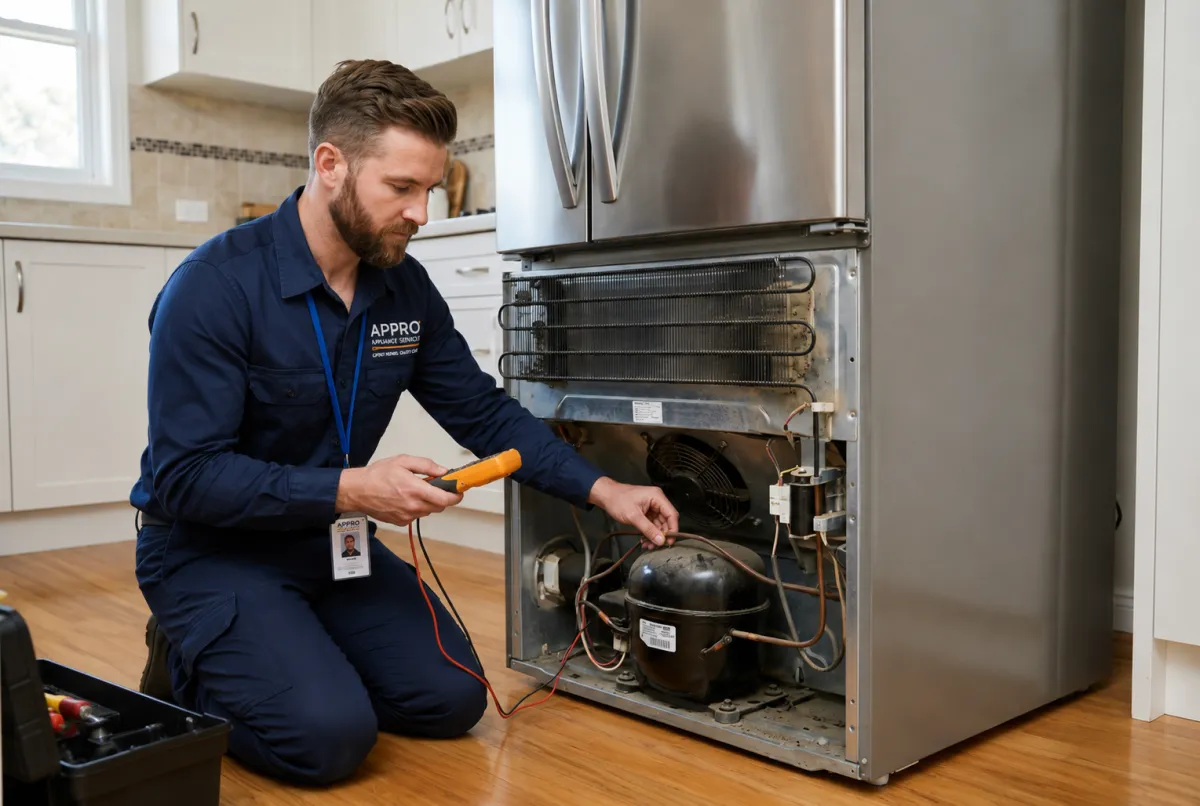
Refrigerator Stops Cooling Causes and Solutions (2026 Guide)
A refrigerator that suddenly stops cooling can quickly become a major inconvenience, leading to spoiled food and unexpected repair costs. Understanding Refrigerator stops cooling causes and solutions can help you identify minor issues before they become expensive problems. According to 2026 updated appliance maintenance recommendations, many cooling failures can be prevented through regular cleaning and timely inspections. While some problems are easy to fix, others require professional diagnosis to avoid further damage.
Common Refrigerator Stops Cooling Causes and Solutions
There are several reasons why a refrigerator may stop maintaining the proper temperature. One of the most common causes is dirty condenser coils. Dust and debris prevent heat from escaping efficiently, forcing the compressor to work harder and reducing cooling performance. Cleaning the coils every six months is recommended according to 2026 updated appliance care guidelines.
Another common issue is a faulty evaporator fan motor. This fan circulates cold air throughout the refrigerator and freezer compartments. If it stops working, the freezer may remain cold while the refrigerator section becomes warm.
A damaged door gasket can also reduce cooling efficiency. When warm air enters through worn or cracked seals, the appliance struggles to maintain the correct temperature. Replacing damaged seals can significantly improve performance and lower energy consumption.
Blocked air vents, overloaded shelves, incorrect temperature settings, or a malfunctioning thermostat may also prevent proper cooling. In addition, modern refrigerators may display error codes that indicate sensor or control board problems requiring professional attention.
Simple Troubleshooting Steps Before Calling for Service
Before scheduling a repair, perform a few basic checks:
Verify that the refrigerator is receiving power.
Make sure the temperature settings are correct.
Clean the condenser coils if they are dusty.
Ensure food is not blocking interior air vents.
Inspect the door seals for leaks or visible damage.
Listen for the evaporator fan and compressor during operation.
If these steps do not restore cooling, the problem could involve the compressor, start relay, refrigerant system, or electronic control board. Based on 2026 updated repair recommendations, these components should only be inspected by qualified technicians because improper repairs can lead to more extensive damage and higher repair costs.
Prevent Future Cooling Problems
Preventive maintenance is the best way to extend the lifespan of your refrigerator. Clean the condenser coils regularly, avoid overloading the appliance, keep the door closed whenever possible, and check the door gaskets periodically. Scheduling routine maintenance can help detect worn components before they fail, improving efficiency and reducing unexpected breakdowns.
If your refrigerator is no longer cooling properly, don't let the problem get worse. The experienced technicians at Appro Appliance Services provide fast, reliable refrigerator diagnostics and repairs for all major brands. Contact Appro Appliance Services today for professional service and restore your refrigerator's cooling performance quickly.


